
Explore the profiles of some of our most impactful Ashoka Fellows below. To discover more social entrepreneurs who are pioneering innovative solutions to improve global health and empower underserved communities, use our search engine by clicking the button below.

Javier Lozano
Mexico
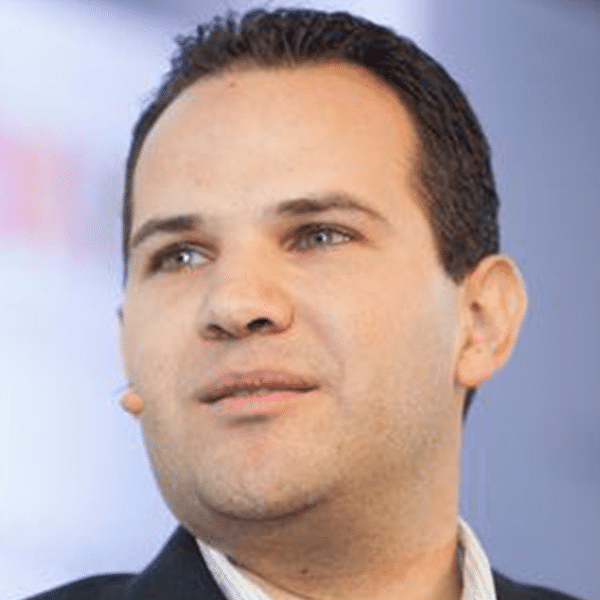
Javier Lozano
Javier Lozano has created a low-cost, one-stop-shop clinic to treat diabetes and prevent the complications associated with the disease. With advanced technology and diagnostic and treatment innovations, his clinic offers high-class yet extremely affordable medical care for populations that could otherwise not access it.

Muthi Nhlema
Malawi
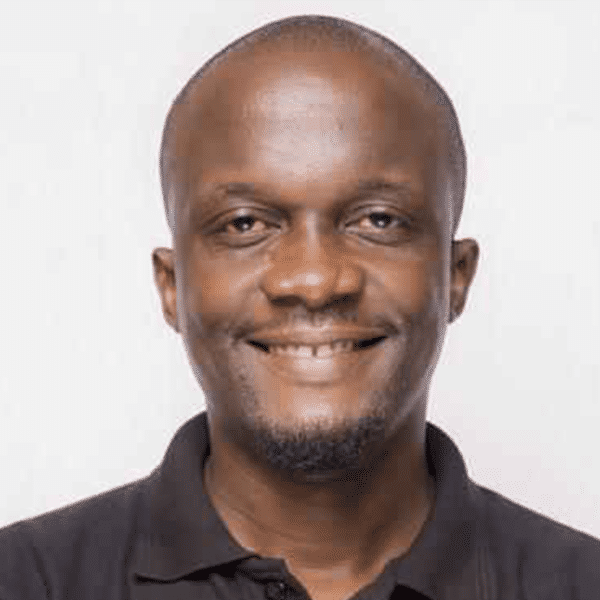
Muthi Nhlema
Muthi is changing the governance of groundwater and shifting the way it is understood and managed to ensure sustainable water supply, especially to rural communities.

Markus Raivio
Finland
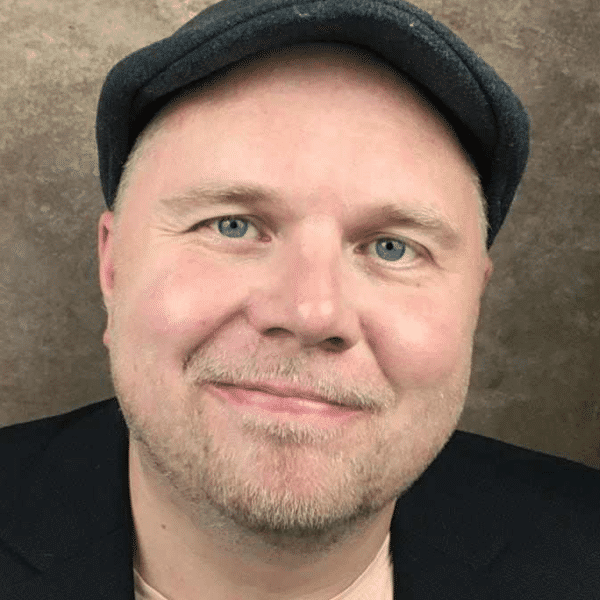
Markus Raivio
Frustrated by how deficit-based models of mental healthcare can leave clients feeling broken and disempowered, Markus has developed a new approach that prioritizes clients’ passions and strengths so that they can co-create with and feel connected to peers, re-discover a sense of purpose and agency, and find tools and skills to apply for school and work.

Mireia Barba
Spain
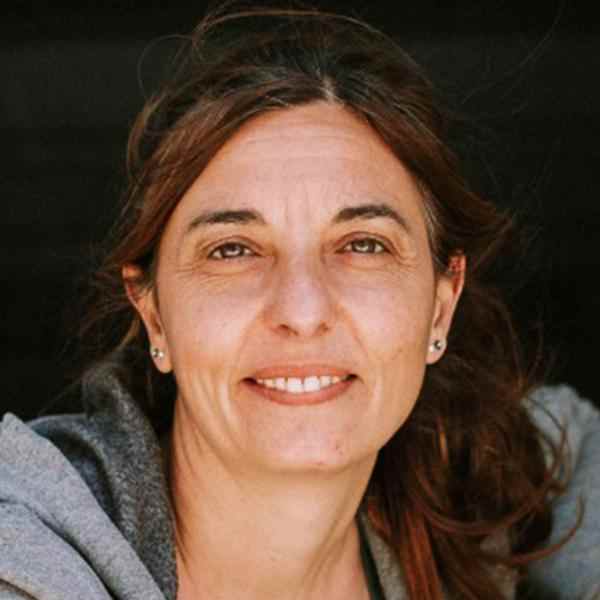
Mireia Barba
Mireia is leading a deep transformation in the food loss and waste system working with farmers, policymakers, civil society organizations, agri-food companies, and schools creating solutions in every link of the food chain extending the life cycle of food.

Raúl Lucero
Argentina
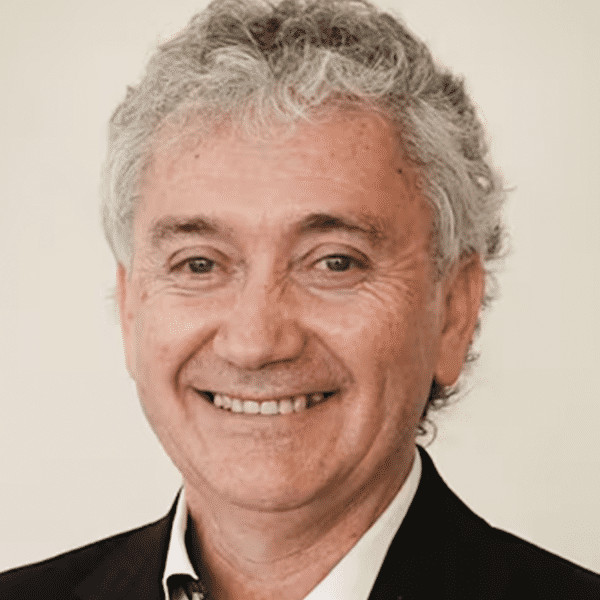
Raúl Lucero
Raúl Lucero is integrating people with disabilities into mainstream society by developing their capacities and encouraging their autonomy to become socially independent.

Reyna Montoya
United States
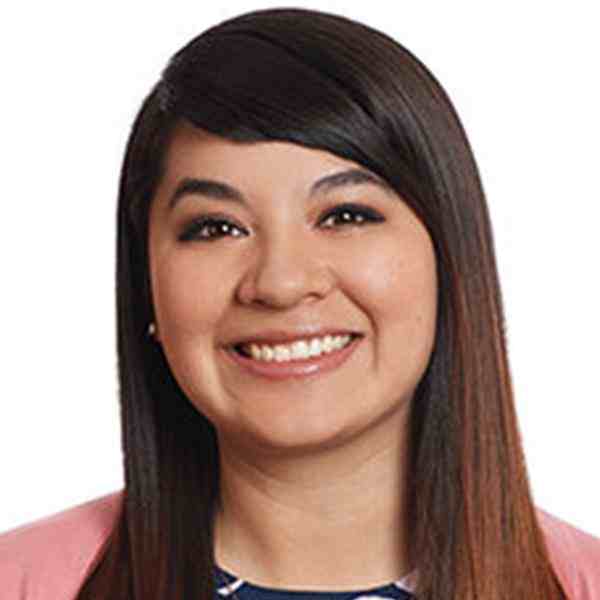
Reyna Montoya
Reyna is unlocking the changemaking potential of the fastest growing demographic in the United States – Latine youth – via a new model that cultivates community resilience and skilled leadership for undocumented and mixed-immigration status young people.

Umra Omar
Kenya

Umra Omar
Umra is at the forefront of transforming healthcare in remote Kenya, delivering high-quality services directly to underserved communities. Through youth health ambassadors leading outreach and mobile clinics, she is forging a future where equitable healthcare access knows no boundaries.

Mariasole Bianco
Italy
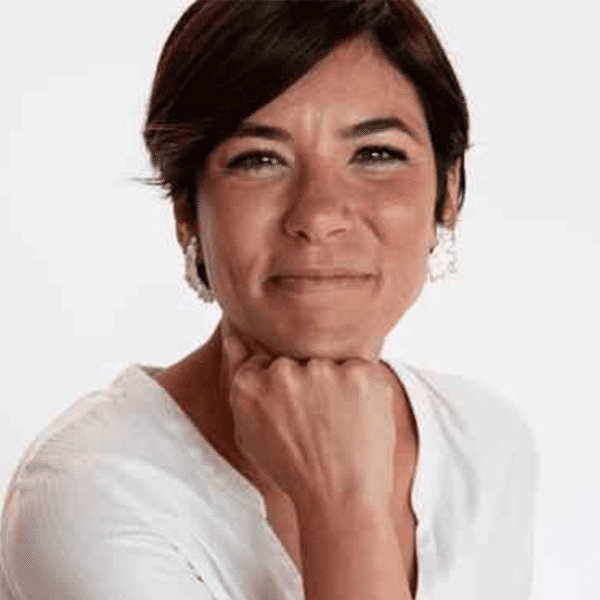
Mariasole Bianco
Mariasole preserves Italy's marine areas by innovating the marine conservation system through the model she created, SEATY, to contribute to the international 30X30 goal. She achieves large-scale public policy change through a systemic methodology of mindset shift and building an alliance of many stakeholders to transform our relationship with the ocean.

Wilda Septarina
Indonesia

Wilda Septarina
Indonesia ranks second in food waste worldwide. Yet, 16.2 million people in Indonesia still face hunger, 21.6% of Indonesian toddlers are stunted, and almost half of Indonesia's elderly are at risk of malnutrition. To fight the issue, Wida creates a volunteer-based movement consisting of housewives, teachers, local communities and private companies to process and distribute food excess from the family and food industry to the vulnerable community.

Lizzie Kiama
Kenya
Lizzie Kiama
In a country where the persistence of lingering stigma about persons with disabilities impacts far too many, their rights are still a long way from where they should be. Lizzie dedicated the past decade to understanding the negativity around the term “disable” and after years of exploration, she finally found the specific intersection where she could bring significant change in the world. Lizzie is amplifying the voices, building capacity, and creating visibility for women and girls with disabilities across Kenya and beyond.

Doris Mollel
Tanzania
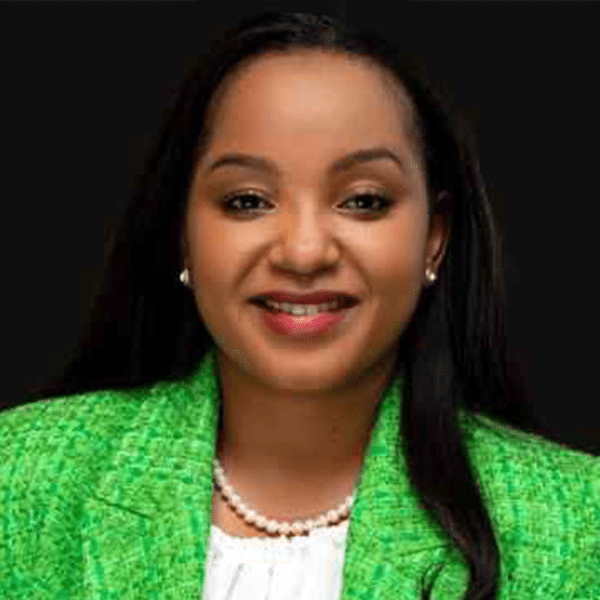
Doris Mollel
Doris is developing in Tanzania and the region a previously non-existing comprehensive system for prevention and improving the survival and well-being of premature births.

Shona McDonald
South Africa

Shona McDonald
Shona McDonald is addressing the challenges of children with mobile disabilities who live in peri-urban and rural areas of South Africa with an approach that puts postural education on the agenda of community-based clinical services, along with a range of tailor-made mobility products that can be assembled and maintained even in conditions with limited resources.